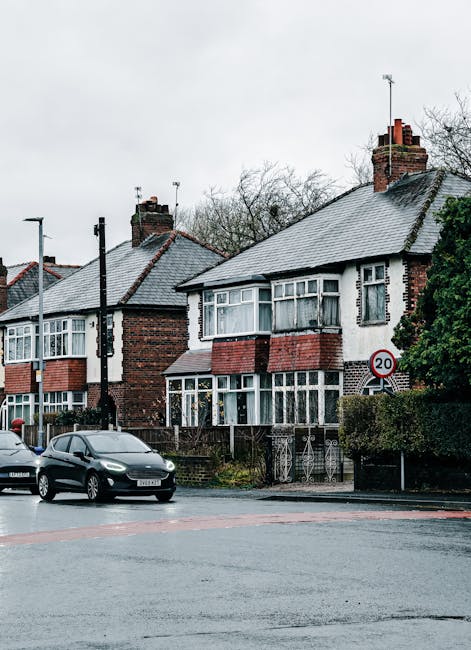
Cleaning checklist for Honor Oak Road terraced houses

If you live in one of the terraced houses along Honor Oak Road, you already know the layout can be a blessing and a nuisance at the same time. The rooms are often compact, the stairs work harder than you do, and dust seems to settle in the same awkward corners every single week. A proper Cleaning checklist for Honor Oak Road terraced houses keeps things under control, whether you are staying on top of weekly upkeep, preparing for a deep clean, or getting the home ready for visitors, tenants, or a handover. Truth be told, a good checklist saves time, money, and a fair amount of irritation.
This guide breaks the job into sensible stages, from the hallway and front reception rooms through to the bedrooms, kitchen, bathroom, loft spaces, and those little bits people forget until they are staring at them on a Sunday morning. It also covers when to call in specialist help for carpets, upholstery, rugs, mattresses, and stubborn stains. Let's get into it.
Why Cleaning checklist for Honor Oak Road terraced houses Matters
Terraced homes have a rhythm of their own. They usually share walls, often have narrow hallways, a flight of stairs that seems steeper than it looks, and a mix of older features that collect dust in less obvious places. Skirting boards, dado rails, banisters, picture rails, sash window ledges, and the tops of door frames all become little dust shelves. If you skip a room or clean in a random order, the job spreads out and starts to feel endless.
A checklist matters because it turns a big, emotional task into a sequence of smaller, winnable steps. That sounds simple, but it is exactly why it works. Instead of asking, "How do I clean the whole house?", you ask, "What needs doing in the hallway today?" Much better. And if you are dealing with a busy family home, a rental property, or a home with pets, the checklist helps you notice damage, wear, odours, and high-traffic grime before it becomes a bigger problem.
It also matters for presentation. In a terraced house, the first impression starts at the doorstep. A tidy entrance, a clean runner, and a fresh-smelling hallway make the rest of the property feel calmer. That first 30 seconds counts more than people admit.
Expert summary: The best terraced-house cleaning plan is not the fanciest one. It is the one you can repeat every week, then scale up for deeper cleans when life gets messy, which it does.
How Cleaning checklist for Honor Oak Road terraced houses Works
The basic idea is straightforward: clean from top to bottom, back to front, and dry to wet. That means starting with dusting, cobweb removal, and dry debris before moving to mopping, scrubbing, and steam or wet cleaning. If you do it the other way round, you end up chasing dirt around the house. Annoying, and very common.
For terraced houses, the checklist should also follow the structure of the property. These homes often have a front room, middle room, kitchen extension, cellar or basement, upstairs bedrooms, and one or more compact bathrooms. Some have bay windows, some have original fireplaces, some have laminate in the hall and carpets upstairs. The checklist needs to flex with that layout. One size does not fit all here.
A strong cleaning process usually includes four layers:
- Daily or near-daily tidying such as wiping surfaces, putting things away, and dealing with spills.
- Weekly maintenance like vacuuming, mopping, cleaning bathrooms, and wiping kitchen worktops.
- Monthly detail cleaning for skirting boards, behind furniture, window tracks, and light switches.
- Seasonal deep cleaning for carpets, upholstery, mattresses, curtains, and neglected corners.
That layered approach keeps the house manageable. It also helps you spot where specialist cleaning may be useful. For example, if the stairs are carrying a lot of mud from the street, a normal vacuum may not be enough. That is when services like professional carpet cleaning or steam carpet cleaning can make a visible difference.
Key Benefits and Practical Advantages
There is more to a checklist than being organised. In practice, it protects the property and your time. The main benefits are easy to see once you use it for a few weeks.
- Less overwhelm: You know what to do next, so the job stops feeling like a mountain.
- Better hygiene: Kitchens, bathrooms, handles, and high-touch areas stay cleaner between deep cleans.
- Longer-lasting surfaces: Regular care helps preserve paintwork, wood, flooring, and soft furnishings.
- Improved air quality: Removing dust, pet hair, and fabric debris can make the home feel fresher.
- Faster turnaround: If you need the house guest-ready or tenancy-ready, a checklist prevents last-minute panic.
- More consistent results: You are less likely to forget the small things that make a big visual difference.
There is also a financial angle. If you keep on top of stains, odours, and embedded dirt, you often delay the point where replacement becomes the only sensible option. A grubby hallway runner is one thing; a permanently tired carpet is another. The same logic applies to upholstery and mattresses too.
And if you are comparing cleaning methods, remember that some jobs are best handled with spot treatment, while others need more intensive care. A quick surface refresh is not the same as a deep clean. Not even close.
Who This Is For and When It Makes Sense
This checklist is for anyone living in, letting, managing, or preparing a terraced house in the Honor Oak Road area. In particular, it is useful if you are:
- a homeowner trying to keep a busy family property under control;
- a tenant preparing for inspection or end-of-tenancy cleaning;
- a landlord wanting a repeatable standard between occupancies;
- a buyer or seller getting a property ready for viewings;
- someone moving in after renovation, decorating, or building work;
- a pet owner dealing with fur, tracked-in dirt, and the occasional accident;
- someone balancing a full week and simply wanting a realistic plan.
It makes sense anytime the house starts to feel a bit "lived-in" in the wrong way. You know the feeling: the stairs are looking dull, the sofa has picked up a mark, and the bathroom mirror seems permanently spotted no matter what you do. A checklist brings the home back to baseline before things spiral.
If you are mainly trying to freshen textiles, it may be worth combining the checklist with specialist help such as sofa cleaning, upholstery cleaning, rug cleaning, or mattress cleaning. Those surfaces hold on to dust and odour far longer than hard flooring, and people often underestimate that.
Step-by-Step Guidance
The best way to use this section is to walk through the house in the same order every time. You do not need to be perfect. You just need a repeatable pattern.
1. Start with a reset
Open windows for a bit if the weather allows, gather laundry, put dishes where they belong, and clear floors. A clear space is easier to clean, obviously, but it also helps you see what actually needs attention. Do not skip this. It takes minutes and saves you half an hour later.
2. Work from the top floor down
Dust upper shelves, curtain rails, picture tops, light fittings, and the tops of wardrobes first. Then vacuum or sweep the rooms before moving downstairs. That way, dust and debris fall onto areas you have not cleaned yet. Sensible, simple, effective.
3. Clean bedrooms room by room
In terraced houses, bedrooms can be compact, so clutter builds quickly. Strip beds weekly, shake out mattress protectors, wipe bedside tables, and vacuum under beds if possible. If pets sleep in the room, pay extra attention to corners, skirting, and soft furnishings. Fur has a talent for hiding in plain sight.
4. Treat the stairs and landing as a priority zone
The stairs are usually one of the hardest-working parts of the house. Vacuum slowly, especially on the edges and on each tread nose. Clean the handrail, newel post, and any painted woodwork. If the stair carpet is flattened or marked, a deeper treatment may be needed. In many homes, this is where steam cleaning delivers the most noticeable lift.
5. Deal with the hallway and entry point
The front door area collects grit, rainwater, shoe marks, and whatever the street has carried in. Shake mats, wipe the door, clean the glass panels, and mop hard floors with the right product for the surface. Check for shoe scuffs around the skirting and lower walls. These tiny marks make a place look more tired than it is.
6. Freshen the living rooms
Dust shelves, TV units, radiators, and window sills. Vacuum sofas, armchairs, and under cushions. Wipe coffee tables and side tables. If your front room or middle room gets used heavily, consider a deeper textile clean once or twice a year. For stain-prone furniture, the page on stain removal is a useful place to focus your next step.
7. Clean the kitchen with order, not panic
Clear surfaces first. Then clean from the highest dry surfaces down to the floor. Wipe cupboard handles, splashbacks, worktops, kickboards, and appliance fronts. Clean behind the kettle area, under the toaster, and around the sink because that is where crumbs and grease gather. If you have a narrow galley kitchen or a rear extension, be especially thorough around corners. Kitchens make a mess quietly. Sneaky little things.
8. Give the bathroom extra care
Bathrooms in terraced houses are often small, which means moisture, limescale, and soap build-up show quickly. Scrub the basin, toilet, bath or shower screen, and taps. Clean grout lines where needed. Use ventilation properly after cleaning so you are not trapping damp in the room. A bathroom can look clean yet still smell stale if the airflow is poor.
9. Finish with floors
Vacuum carpets slowly and with overlap. Sweep or mop hard floors only after dusting everything else. For hall carpets, stair runners, and living room carpets that see heavy use, the difference between surface vacuuming and professional deep cleaning is often obvious after the first pass. It can look almost surprisingly fresh.
10. Check the details
Before you stop, do a quick scan of door frames, light switches, sockets, banisters, and skirting boards. These are the places that quietly tell on you. They are also the bits guests notice without really noticing, if that makes sense.
Expert Tips for Better Results
A few small habits make terraced-house cleaning much easier.
- Use a caddy or basket so you are not walking back and forth for cloths and sprays.
- Change cloths often rather than pushing one damp cloth through the whole house.
- Use the right tool for the surface because harsh products on woodwork or fabric can create more problems than they solve.
- Spot-test stain products before using them on visible areas. A hidden patch is worth the two minutes.
- Set a timer for each room if you tend to over-clean one space and neglect the rest.
- Leave delicate textiles to the right method instead of scrubbing them in frustration. That never ends well.
One thing experienced cleaners do differently is they look for the story of the room. Is the hallway dirt coming from shoes, a dripping bike, or a damp pram? Is the sofa marked by food, pet contact, or body oils? Is the carpet dull because of wear, or because of residue from the wrong cleaning product? Those clues matter.
If you are working with delicate curtains or fabric-heavy rooms, specialist help may be better than a DIY push. You can explore curtain cleaning and choose the route that suits the material rather than guessing.
Common Mistakes to Avoid
Most cleaning frustrations come from a handful of repeated mistakes. The good news is they are easy to avoid once you spot them.
- Cleaning in the wrong order: If you mop before dusting, you will usually have to redo the floor.
- Using too much product: More spray does not mean better cleaning. Often it means more residue.
- Ignoring edges and corners: That is where dust, hair, and crumbs quietly gather.
- Forgetting soft furnishings: Carpets, curtains, and upholstery can hold on to grime long after hard surfaces look fine.
- Scrubbing stains too hard: Pushing a stain deeper into fibres is a classic mistake, and a frustrating one.
- Skipping ventilation: A fresh-cleaned room still needs air movement, especially in older terraced homes.
- Trying to do everything in one go: Exhaustion leads to half-finished work and missed details.
To be fair, most people make at least one of these mistakes. The trick is not perfection. It is noticing the pattern and adjusting next time. That is all.
Tools, Resources and Recommendations
You do not need a cupboard full of specialist kit, but a few reliable tools make a huge difference in a terraced house.
| Tool or item | Best use | Why it helps in a terraced house |
|---|---|---|
| Vacuum with attachments | Carpets, stairs, upholstery edges | Reaches narrow steps, skirting lines, and awkward corners |
| Microfibre cloths | Dusting and surface wiping | Good for woodwork, sills, and high-touch areas without leaving lint |
| Soft brush | Vent grilles, rails, detailed trim | Useful for older decorative features and tight spaces |
| Mop and bucket | Hard floors | Helps keep hallway and kitchen floors tidy after street traffic |
| Spot cleaner | Small stains on carpets or furniture | Useful for quick action before a mark sets in |
| Lint roller or fabric brush | Sofas, cushions, and curtains | Handy for pet hair and general fabric refreshes |
As for recommendations, think in terms of maintenance rather than rescue. A small but regular routine is better than one heroic clean every few months. That said, if the carpets are heavily used or the furniture has seen a lot of family life, pairing your weekly checklist with specialist services is often the practical route. Pricing and quotes can help you compare options before you commit to anything.
If you are managing a rental, office, or mixed-use property rather than a home, it may also be worth looking at commercial carpet cleaning for harder-wearing, higher-traffic environments. Different setting, different demands.
Law, Compliance, Standards and Best Practice
For a household cleaning checklist, there is usually no complicated legal framework in play. Still, good practice matters, especially if you are hiring help, handling chemicals, or managing a property for someone else. In the UK, common-sense safety still applies: read product labels, keep cleaning products away from children and pets, ventilate rooms, and avoid mixing chemicals unless the instructions clearly say it is safe. That last one is worth repeating because people do it, and then regret it.
If cleaners are coming into the home, it is sensible to choose a business that is transparent about safety, insurance, and how work is carried out. Pages such as insurance and safety and the health and safety policy are useful signs that the provider takes those responsibilities seriously. For booking terms, deposits, and payment handling, payment and security and terms and conditions are worth reading before you confirm anything.
There is also a wider best-practice angle. If you are trying to reduce waste, using reusable cloths, measuring products properly, and cleaning textiles before replacing them all help. If sustainability is important to you, a business that explains its approach clearly is usually easier to trust. You can take a look at recycling and sustainability for a good example of that kind of thinking.
Options, Methods, or Comparison Table
Different areas of a terraced house need different methods. Here is a simple comparison to help you decide what belongs in a routine clean and what may need a deeper approach.
| Area | Routine clean | Deep clean or specialist help | Best approach |
|---|---|---|---|
| Hallway | Vacuum, mop, wipe skirting | Deep clean runner or stair carpet | Frequent light maintenance with seasonal deep clean |
| Living room | Dust, vacuum, surface wipe | Sofa and upholstery refresh | Routine dusting plus fabric care when marks build up |
| Bedroom | Bed change, dusting, floor clean | Mattress and curtain cleaning | Monthly detail with deeper textile care a few times a year |
| Kitchen | Surface wipe, sink clean, floor mop | Stain or grease build-up treatment | Quick daily resets with weekly thorough cleaning |
| Bathroom | Sanitise, polish, descale | Grout or mould-prone area attention | Consistent upkeep and good ventilation |
In practice, most households use a mix. You do not need a specialist clean every time. But when carpets are dull, sofas smell a bit off, or pet odours linger, a targeted service is often more effective than trying to wrestle it all yourself.
Case Study or Real-World Example
Imagine a typical two-up, two-down terraced house on Honor Oak Road. The family works during the week, the children drop shoes in the hallway, the dog likes the front room rug, and the stairs get constant traffic. By Friday evening, the house feels tidy enough, but not really fresh. You know the type.
They start with a simple checklist: hallway first, then living room, then kitchen, then the upstairs landing, bedrooms, and bathroom. On week one, they notice the hallway runner looks far darker than they expected. On week two, they realise the sofa cushions hold a faint odour after a rainy week. On week three, the bedroom carpet shows flattened tracks beside the bed that vacuuming alone will not lift. No drama. Just normal life showing itself.
After using the checklist for a month, the family keeps up better with the daily mess, and they book a deeper textile clean for the carpets and sofa. The result is not just a cleaner-looking home. It feels lighter, calmer, easier to live in. Small difference, big impact. That is often how it goes.
Practical Checklist
Use this as your quick working checklist for a terraced house. Print it, save it, or just keep it in your head if that is your style.
- Open windows if weather and security allow.
- Gather laundry, dishes, and loose items first.
- Dust top surfaces, shelves, rails, and light fittings.
- Clean bedroom surfaces and change bedding as needed.
- Vacuum stairs carefully, including edges and corners.
- Wipe bannisters, door handles, and light switches.
- Clean hallway mats and entry points.
- Dust and vacuum living room furniture.
- Wipe kitchen worktops, cupboard handles, splashbacks, and appliance fronts.
- Clean sink, taps, toilet, bath or shower, and mirrors in the bathroom.
- Mop hard floors after dry debris has been removed.
- Spot-treat marks on carpets, rugs, and upholstery.
- Check skirting boards, window ledges, and door frames.
- Empty bins and replace liners.
- Do a final walk-through and catch anything missed.
If you want to push beyond the basics, consider periodic specialist help for the fabric-heavy parts of the home. That is often the difference between "looks okay" and "actually feels clean".
Conclusion
A good Cleaning checklist for Honor Oak Road terraced houses is less about being spotless and more about being realistic, consistent, and a bit strategic. Terraced homes collect dirt in predictable places: stairs, hallways, soft furnishings, high-touch woodwork, and those awkward corners nobody wants to crouch into. Once you build a routine around those pressure points, the whole house becomes easier to manage.
The real win is not just visual tidiness. It is that sense of calm when you walk in the door and the house feels under control. Not perfect. Just lived-in, fresh, and looked after. That is usually enough, and honestly, that is a very good place to be.
Get a free quote today and see how much you can save.
Frequently Asked Questions
What should be on a cleaning checklist for a terraced house?
Start with the high-traffic and easy-to-forget areas: hallway, stairs, landing, kitchen, bathroom, living room, and bedrooms. Include dusting, vacuuming, wiping handles and switches, cleaning skirting boards, and dealing with soft furnishings at regular intervals.
How often should I deep clean a terraced house?
That depends on use, pets, children, and foot traffic, but many households do a deeper clean seasonally or whenever the home starts to feel tired. For carpeted stairs and upholstered furniture, a deeper refresh a few times a year is often sensible.
Why do terraced houses get dirty faster in the hallway and stairs?
They tend to channel movement through a narrower route, so shoes, bags, prams, and weather-related dirt all pass the same places. The hallway and stairs become the house's main "collection point", which is why they need extra attention.
Should I clean from top to bottom or bottom to top?
Top to bottom is usually best. Dust and debris fall down as you work, so starting upstairs and finishing with floors saves you from re-cleaning areas you have already done.
Is steam cleaning suitable for terraced house carpets?
Often yes, especially for carpets that see heavy foot traffic or need a deeper refresh. It is best to match the method to the fibre and condition of the carpet. If you are unsure, ask for advice before treating delicate or antique textiles.
How can I clean stairs safely?
Use a vacuum with a hose or stair attachment, work slowly, and keep one hand free for balance. Avoid rushing. Stairs are where people do themselves in, usually by trying to be too efficient.
What is the best way to remove pet odour from a terraced house?
Deal with the source first, then clean carpets, rugs, upholstery, and bedding where the odour may have settled. For stubborn smells, specialist pet odour treatment is often more effective than surface cleaning alone.
How do I know if I need professional help?
If stains keep returning, carpets look dull despite vacuuming, or soft furnishings hold odours, a professional clean can be worthwhile. It also makes sense if you are preparing to move, rent out the property, or recover from a particularly busy season of life.
What cleaning products should I avoid on older terraced-house features?
Avoid harsh or abrasive products on painted woodwork, delicate finishes, and natural fibres unless the product is clearly suitable. Older homes often have mixed materials, so a gentle, tested approach is safer.
How can I keep a terraced house cleaner for longer?
Use doormats, vacuum regularly, wipe up spills quickly, and build a simple weekly reset routine. A little consistency beats one exhausting overhaul every time. That part really does matter.
Can this checklist help with end-of-tenancy cleaning?
Yes, it is a good base. You may still need a more detailed pass for ovens, limescale, carpets, upholstery, and any marks on walls or woodwork, but the structure is exactly the right starting point.
Where should I focus first if I only have one hour?
Start with the hallway, kitchen surfaces, bathroom, and main floors. Those are the areas that change the feel of the home fastest. If you still have time, move to the sofa, stairs, and visible skirting boards.