Blythe Hill Fields upholstery cleaning tips for local flats
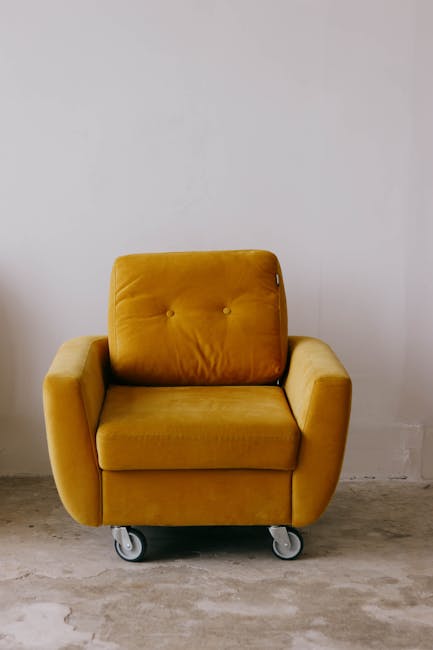
If you live in a flat near Blythe Hill Fields, upholstery cleaning can feel a bit more complicated than it ought to. Limited storage, smaller rooms, shared hallways, drying time, neighbours below, and the occasional awkward sofa footprint all change the game. That is exactly why Blythe Hill Fields upholstery cleaning tips for local flats need to be practical, not theoretical.
In this guide, you will find a clear, local-minded approach to keeping sofas, armchairs, dining chairs, ottomans, and other soft furnishings fresh without turning your home into a damp obstacle course. We will look at what works in compact flats, what to avoid, how to choose the right method, and when it makes sense to call in a professional service such as upholstery cleaning or related care for delicate items. Simple enough on paper. In reality, it is all about fitting the job to the space.
Truth be told, a lot of upholstery damage in flats comes from well-meant but rushed cleaning. Too much water, the wrong cloth, not enough ventilation, or a stain left to sit until it becomes part of the furniture. Let's stop that from happening.
Why Blythe Hill Fields upholstery cleaning tips for local flats Matters
Flats in and around Blythe Hill Fields often come with the same cleaning challenge: you need results, but you do not have endless space, time, or drying room. That matters because upholstery holds onto daily life in a very visible way. Grease from hands, crumbs, pet hair, drink marks, body oils, and general dust build up gradually, then suddenly the sofa looks tired.
In a flat, that build-up can be more noticeable. There is usually less air movement than in a larger house, and furniture is often placed close to walls, windows, or radiators. That can slow drying and make odours linger. If you have ever opened a living room window in January and thought, "Well, this is not exactly ideal," you are not alone.
Good cleaning advice for flats is not just about making fabric look nicer. It is also about protecting the material, reducing lingering smells, and avoiding moisture issues in compact rooms. When the cleaning process is suited to the flat, the results are cleaner, drier, and much less stressful.
This is also why a structured approach is better than a random spot-clean with whatever is under the sink. Upholstery fabrics vary a lot, from robust synthetics to more sensitive blends. Cushions, piping, and seams can all react differently to moisture and pressure. One wrong move and you can get water rings, distortion, or colour loss. Not dramatic every time, but annoying enough.
How Blythe Hill Fields upholstery cleaning tips for local flats Works
The basic idea is straightforward: identify the fabric, remove loose dirt, treat stains carefully, clean with the least moisture needed, and speed up drying. In a flat, the process also needs to respect the realities of apartment living. That means thinking about ventilation, noise, access, and where furniture can dry without blocking a walkway.
Professional upholstery cleaning usually starts with inspection. The cleaner checks the fabric type, the condition of the item, and any marks that may need special treatment. If you are doing it yourself, you should do the same. A small label, a faint sheen, or a textured weave can tell you a lot. It is a bit like reading the room, only with fabric.
The next stage is dry soil removal. Vacuuming is not glamorous, but it makes a huge difference. Dust and grit act like fine sandpaper if you scrub them into the fibres. After that, spot treatment or full cleaning can begin. Depending on the fabric and the stain, this might involve foam, low-moisture extraction, gentle hand cleaning, or careful steam-based methods where suitable.
For flats, drying is a big part of the method. A clean sofa that stays damp for too long is not a win. Open windows where safe, use airflow, and avoid over-wetting the furniture. If the item can be moved slightly away from a wall, even a small gap helps. Sometimes one cushion propped a little differently makes all the difference. Small thing, big effect.
Key Benefits and Practical Advantages
When upholstery cleaning is done properly in a flat, the benefits are more than cosmetic. Clean fabric feels more comfortable, smells fresher, and tends to last longer. That matters if your sofa is doing double duty as a guest bed, a work-from-home seat, and a place to flop down with a cup of tea after a long day.
Here are the most useful advantages:
- Better appearance: marks, shadows, and dullness are reduced, so the room feels brighter.
- Improved hygiene: dust, allergens, and everyday grime are removed from the surface and upper fibres.
- Longer fabric life: regular care helps prevent fibres from looking worn or matted too quickly.
- Odour control: good cleaning reduces stale smells from food, pets, and general use.
- Less stress in small spaces: when the method suits the flat, you avoid flooding a room with moisture or clutter.
There is also a practical benefit many people overlook: cleaning upholstery regularly can make stain removal easier later on. Fresh spills are one thing. Old, set-in marks are another. Nobody wants to discover a forgotten coffee ring during a spring clean and realise it has become part of the sofa's identity.
For tenants, clean upholstery can also make moving out simpler. For homeowners, it just keeps the place feeling cared for. Either way, it is one of those jobs you notice most when it has not been done for a while.
Who This Is For and When It Makes Sense
This guide is for anyone in a local flat who wants better results without overcomplicating the process. That includes renters, leaseholders, homeowners, landlords, and even people who only need to clean one stubborn armchair but want to do it properly.
It makes sense to follow these tips when:
- your sofa or chairs are used daily and need routine maintenance
- you have pets, children, or frequent visitors
- a spill has happened, but the fabric is still recoverable
- the furniture looks tired, dusty, or slightly musty
- you need to clean in a smaller room where drying space is limited
It is also useful if you are weighing up DIY cleaning against a professional visit. Not every item needs expert treatment, but not every stain is a DIY job either. A wine mark on a removable cushion cover is one thing. A delicate upholstered chaise with unknown fabric is another. Honestly, there is no prize for guessing.
If your furniture is antique, expensive, or made from a fabric you are not sure about, caution is the better choice. When in doubt, get advice first. That is not overcautious; it is sensible.
Step-by-Step Guidance
Here is a practical way to clean upholstery in a flat without making life harder than it needs to be.
1. Identify the fabric and care label
Look for the manufacturer's care instructions. They often indicate whether the item can be cleaned with water-based solutions, solvent-based products, or only professional methods. If there is no label, treat the item as sensitive until proven otherwise.
2. Vacuum thoroughly
Use the upholstery attachment and work slowly. Get into seams, corners, under cushions, and along the piping. You will usually pull out more dust than expected. That grey fluff hidden under the seat? Yes, that.
3. Test any cleaner in a hidden spot
Use a small concealed patch, such as the back lower edge or under a cushion flap. Wait for it to dry fully before deciding whether the product is safe. A quick test can save you from a very visible mistake.
4. Blot stains, do not rub
If a spill is fresh, blot gently with a clean white cloth. Rubbing pushes the liquid deeper and can rough up the fibres. Work from the outside of the mark inward, slowly and patiently.
5. Apply the least moisture possible
Whether you use a fabric-safe cleaner or a mild solution, use sparingly. In flats, over-wetting is one of the most common issues because drying space is tight. A little goes a long way.
6. Rinse carefully if needed
If the cleaner leaves residue, lightly wipe with a damp cloth rather than soaking the fabric. Residue can attract dirt later and leave the upholstery looking dull again too soon.
7. Dry with airflow
Open windows if weather and security allow. Use fans if you have them, and keep cushions spaced apart so air can circulate. Avoid sitting on the furniture until it is fully dry. Tempting, yes. Wise, no.
8. Fluff and reset the furniture
Once dry, reshape cushions, brush the nap if the fabric allows it, and check for any missed spots. A final tidy-up gives the whole room that clean, settled feel.
Practical takeaway: the cleanest result in a flat usually comes from a light touch, good vacuuming, careful stain work, and proper drying. Not brute force.
Expert Tips for Better Results
Over time, the small details matter more than the big promises. A few useful habits can improve your results a lot.
- Clean spills quickly. The first ten minutes often matter more than the cleaner you use.
- Use white cloths. They help you see how much soil is coming off and reduce the risk of dye transfer.
- Work in sections. In a flat, this stops you from accidentally creating a damp patch across the whole room.
- Keep windows cracked where safe. Even a bit of airflow helps drying and reduces odour.
- Lift cushions out of the way. Air behind and underneath matters more than people think.
- Vacuum weekly. It sounds dull, but it keeps grit from embedding in the weave.
- Match the method to the fabric. Microfibre, velvet, wool blends, and leather-feel materials do not all want the same treatment.
One of the better habits I have seen in small flats is creating a "cleaning window" on a dry morning. The furniture gets treated early, the windows are opened, and the room has most of the day to dry properly. Nothing fancy. Just practical timing.
If you have pets, focus on the arms and seat cushions first. Those are the zones that collect fur, body oils, and odours fastest. For many households, this is where pet stain and odour removal becomes relevant too, especially when accidents happen on upholstery rather than the floor.
And yes, sometimes the cleaner towel is not enough and you need a more thorough reset. That is normal. Furniture gets lived on. It should look lived in, not neglected.
Common Mistakes to Avoid
Most upholstery problems in flats come from a few repeat mistakes. Avoiding these will save time and a bit of frustration.
- Using too much water: this can lead to long drying times and water marks.
- Scrubbing aggressively: it often spreads the stain and roughens the fibres.
- Skipping the vacuum: loose dirt turns into muddy residue once cleaner is applied.
- Using random household products: bleach, strong degreasers, and untested sprays can damage fabric.
- Ignoring the care label: this is how avoidable colour runs and shrinkage happen.
- Forgetting airflow: a clean sofa that stays damp for hours is not really clean in the long run.
- Cleaning only the stain: spot-treating without blending can leave obvious halos or clean patches.
Another common issue is cleaning late at night. It sounds convenient, but if the room has poor airflow, the item may still be damp by morning. Then you are living with that faint wet-fabric smell all day. Not ideal.
If you are worried about a larger or stubborn stain, consider using stain removal guidance alongside upholstery care rather than attacking it with a single product and hoping for the best.
Tools, Resources and Recommendations
You do not need a van full of equipment to keep upholstery in good shape. In a flat, simple and well-chosen tools are usually best.
| Tool or product | What it helps with | Flat-friendly note |
|---|---|---|
| Upholstery vacuum attachment | Dust, crumbs, hair, surface grit | Essential for regular maintenance and seams |
| Microfibre cloths | Blotting spills and light surface cleaning | Use white or pale cloths to avoid dye transfer |
| Soft brush | Dry debris and fabric refresh | Good for lifting fibres gently |
| Fabric-safe cleaner | Routine spot treatment | Always test first and use sparingly |
| Portable fan | Drying and airflow | Very useful where window opening is limited |
| Protective gloves | Cleaner contact and skin sensitivity | Worth having if you clean often |
If your sofa or chairs are part of a matching set, it may be worth planning a broader soft-furnishing refresh rather than cleaning one item in isolation. Curtains can hold dust that settles onto upholstery, and rugs can reintroduce dirt into the room. That is why services like curtain cleaning and rug cleaning can complement upholstery care nicely.
For broader home care, it can also help to read about sofa cleaning and general carpet cleaning if the room needs a full reset. Different fabrics, same basic idea: careful treatment wins.
Law, Compliance, Standards and Best Practice
For most flat owners and tenants, upholstery cleaning is a straightforward maintenance task rather than a regulated activity. Still, there are a few practical standards and responsibilities worth keeping in mind.
First, if you are renting, check your tenancy agreement before using strong cleaning methods or removing fixed furnishings from the property. Some landlords expect professional cleaning for end-of-tenancy handover, especially where the furniture was supplied with the flat. That is not universal, so do not assume. Read the agreement and keep receipts or service records where useful.
Second, health and safety matters even in a home setting. Good practice means using products as directed, ventilating the room, keeping cleaning liquids away from children and pets, and avoiding electrical equipment near standing moisture. A careful cleaner is a safer cleaner.
Third, if you hire a professional, check that they are insured and that the work aligns with sensible safety practices. A service page such as insurance and safety can help reassure you that the business takes these basics seriously. You may also want to look at health and safety policy information before booking.
Finally, good practice includes asking about drying expectations, fabric suitability, and what happens if a stain does not fully lift. A decent provider will explain these things plainly. No drama, no jargon overload.
Options, Methods and Comparison Table
There is no single best upholstery cleaning method for every flat. The right choice depends on the fabric, the level of soiling, and how quickly you need the furniture back in use.
| Method | Best for | Pros | Limitations |
|---|---|---|---|
| Vacuuming and light spot cleaning | Routine upkeep | Low cost, quick, low moisture | Will not remove deep grime or old stains |
| DIY fabric-safe cleaning | Small fresh spills | Convenient, affordable, manageable in small spaces | Risk of over-wetting or fabric damage if done carelessly |
| Low-moisture professional cleaning | General refresh, maintenance cleaning | Balanced cleaning power and faster drying | May not suit every stain or every fabric type |
| Steam-based cleaning where suitable | Some durable fabrics and deeper cleansing | Can be effective for sanitising and embedded soil | Not suitable for all upholstery; requires judgment |
In a compact flat, low-moisture methods are often the most practical because they reduce drying time and disruption. That said, a more delicate chair may need a gentler approach, and some stains simply need specialist treatment. The method should fit the item, not the other way around.
If you are comparing professional options, the service pages for steam carpet cleaning and curtain cleaning can also give you a sense of how a broader clean might be planned across the flat. It is often smarter to treat the room as one ecosystem rather than isolated pieces.
Case Study or Real-World Example
A common flat-cleaning scenario in Blythe Hill Fields goes like this: a living room sofa has light daily soiling, a coffee splash on one seat cushion, and a faint stale smell from closed windows during winter. Nothing catastrophic, just enough to make the room feel a bit tired.
The best approach is usually not to flood the fabric with a strong cleaner. First, vacuum the entire sofa carefully, including under the cushions. Then deal with the coffee mark using a fabric-safe cleaner tested in a hidden area. After blotting, allow airflow to do its job. If the room is small, move a fan nearby and keep the sofa slightly away from the wall.
In a real flat, the difference usually comes from drying discipline. The owner often expects the stain treatment to do all the work, but the room setup matters just as much. Open space, airflow, and a bit of patience. That is the boring answer, but it is the honest one.
For larger marks, pet odours, or fabric that has not been deep-cleaned for a while, professional help can save a lot of second-guessing. A cleaner can often identify the upholstery type quickly and choose the safest method rather than pushing a one-size-fits-all treatment.
Practical Checklist
Use this simple checklist before and after cleaning upholstery in your flat.
- Check the fabric care label or manufacturer guidance.
- Vacuum the item thoroughly, including seams and under cushions.
- Test any cleaner in a hidden area first.
- Use blotting rather than rubbing on fresh spills.
- Apply only the amount of product needed.
- Avoid soaking seams, piping, and stitched edges.
- Improve airflow with open windows or a fan where safe.
- Keep pets and children off the furniture until it is dry.
- Recheck for stains or residue once the fabric has fully dried.
- Consider professional support for delicate, large, or heavily marked items.
Quick reminder: if the fabric looks cleaner but still feels damp and heavy, it is not finished yet.
Conclusion
Blythe Hill Fields upholstery cleaning tips for local flats work best when they are realistic. Small spaces need careful moisture control, smart timing, and methods that respect the fabric rather than fighting it. A clean sofa in a flat should look fresh, dry quickly, and fit neatly back into daily life without causing a fuss.
Start with vacuuming, treat stains gently, and do not ignore drying. That alone will prevent a lot of common mistakes. If the furniture is delicate, expensive, or simply more than you want to tackle yourself, professional upholstery care is often the calmer, safer route. Sometimes the sensible choice is also the easiest one.
If you want a more thorough refresh for your flat, it can help to explore related services such as mattress cleaning or general sofa cleaning alongside upholstery care. A consistent approach usually gives the best overall result.
Get a free quote today and see how much you can save.
Clean furniture does more than tidy a room. It quietly makes home feel easier, warmer, and a little more looked after.
Frequently Asked Questions
How often should upholstery be cleaned in a flat?
For most flats, light vacuuming should be done weekly, while deeper upholstery cleaning is usually needed every few months or when visible marks, smells, or traffic wear start to show. Homes with pets or children often need more frequent attention.
What is the safest way to clean a sofa in a small flat?
The safest approach is to vacuum thoroughly, test any product first, use minimal moisture, and focus on good drying with airflow. In a small flat, low-moisture cleaning is usually the most practical choice.
Can I use a steam cleaner on all upholstery?
No, not all upholstery is suitable for steam cleaning. Some fabrics can shrink, mark, or lose texture if exposed to too much heat or moisture. Always check the care label and test carefully, or use a professional service if you are unsure.
How do I dry upholstery faster after cleaning?
Open windows where safe, move the furniture slightly away from walls, use a fan, and avoid over-wetting the fabric in the first place. Faster drying is often more about control than force.
What should I do if a stain has already set?
Start with a gentle fabric-safe stain treatment and avoid scrubbing. If the stain is old, dark, greasy, or on a delicate fabric, it may need specialist treatment from a professional cleaner.
Are homemade cleaning solutions safe for upholstery?
Sometimes, but not always. A mild solution may work on certain synthetic fabrics, yet it can still cause marks or residue if used too heavily. Test first and be cautious, especially with unfamiliar materials.
Will upholstery cleaning remove pet odours?
It can reduce many pet smells, especially if the odour is in the surface fibres or caused by general soiling. Stronger odours or accidents may need targeted treatment such as pet stain and odour removal.
Is it worth hiring a professional for one sofa in a flat?
Often, yes. If the sofa is heavily used, lightly soiled, or made from a fabric you would rather not risk, professional cleaning can save time and reduce the chance of damage. One item can still justify expert help.
What fabrics need the most caution?
Velvet, wool blends, silk-like fabrics, and some textured or bonded materials often need extra care. Delicate fabrics can react badly to too much water, heat, or aggressive brushing.
How can I stop upholstery getting dirty so quickly?
Vacuum regularly, rotate cushions if possible, avoid eating on the sofa too often, and address spills straight away. Curtains and carpets also affect how quickly a room collects dust, so whole-room care helps more than people expect.
Does cleaning upholstery help with allergies?
It can help reduce dust and surface allergens, although it is not a medical treatment. Regular vacuuming and proper fabric cleaning can make a room feel fresher and less dusty, which many people notice quickly.
Should I clean upholstery before or after cleaning carpets?
Usually, it makes sense to clean higher or more delicate items first, then finish with floors, but the best order depends on the room and the method being used. The key is to avoid re-soiling newly cleaned surfaces during the process.
If you are planning a bigger refresh, you may also want to review pricing and quotes before booking, and check terms and conditions so you know what is included. Clear expectations make everything easier.